
Categories
Selling Your HomePublished July 22, 2026
How to Price Your Home Correctly in Katy, TX (2026)

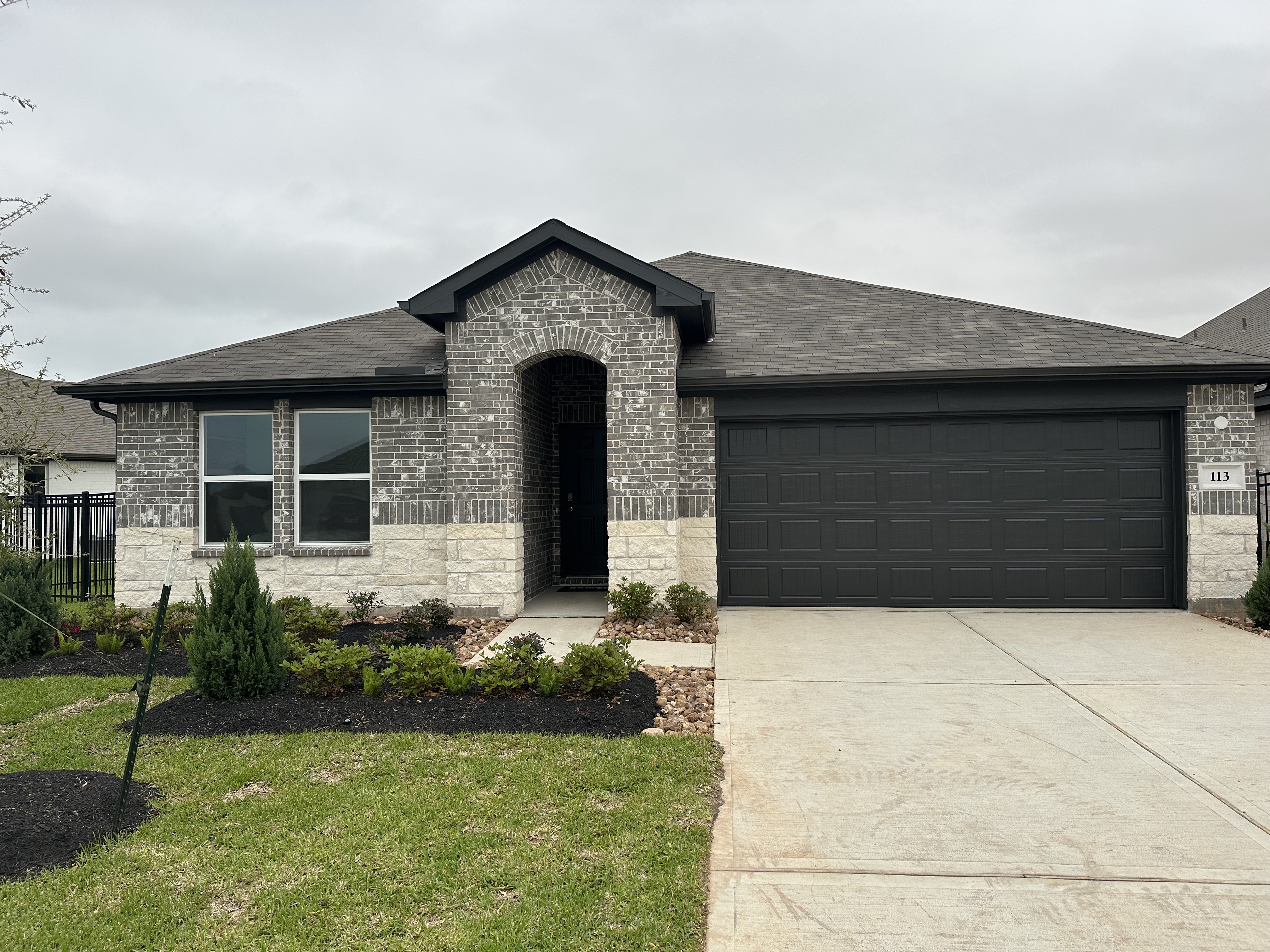
How to Price Your Home Correctly in Katy, TX (2026)
One of the first questions most homeowners ask when they're thinking about selling is:
"How much is my home worth?"
It's an important question, but it's not always a simple one to answer.
Pricing a home isn't about choosing the highest number that sounds appealing or relying on a single online estimate. It's about developing a pricing strategy based on current market conditions, comparable sales, competing listings, and your home's unique characteristics.
The right pricing strategy can influence how many buyers schedule showings, how quickly your home sells, and ultimately the price you receive.
Why Pricing Matters
The first few weeks on the market are often when a listing receives the most attention.
New listings are closely watched by buyers, REALTORS®, and automated listing alerts. If a home is priced competitively from the start, it may generate stronger interest and more showings.
If it's priced significantly above the market, some buyers may overlook it entirely because it falls outside their search criteria or because they believe better values exist elsewhere.
Pricing is one of the few factors sellers can control before the home goes on the market.
How REALTORS® Develop a Pricing Strategy
No two homes are exactly alike.
Even homes on the same street can vary in value based on condition, updates, lot size, floor plan, and other characteristics.
When developing a recommended list price, REALTORS® often analyze factors such as:
- Recent comparable sales
- Pending sales
- Current competing listings
- Expired and withdrawn listings
- Square footage
- Age and condition
- Renovations and updates
- Lot characteristics
- Location within the neighborhood
- Current market trends
Looking at these factors together helps create a more complete picture than relying on any single data point.
Comparable Sales Matter
Comparable sales, often called "comps," are recently sold homes that are similar in size, style, age, and location.
Comps help establish a reasonable price range because they reflect what buyers have recently been willing to pay under current market conditions. They are one of several tools used to help develop a pricing strategy.
They're one of the most valuable tools available when pricing a home.
Active Listings Matter Too
Sold homes tell us where the market has been.
Active listings show the competition buyers are considering today.
If your home offers similar features but is priced noticeably higher than competing listings, buyers may choose to tour other properties first.
Pricing should consider both recent sales and the homes currently competing for the same buyers.
Why Overpricing Can Backfire
Many sellers believe they should start high and reduce the price later if necessary.
While every situation is different, pricing well above market value can have unintended consequences.
A home that sits on the market for an extended period may receive fewer showings over time. Buyers sometimes begin to wonder whether something is wrong with the property, even when the issue is simply the asking price.
Price reductions can certainly be effective when market conditions change or new information becomes available. However, many sellers prefer to position their home competitively from the beginning rather than relying on multiple adjustments.
Can Pricing Slightly Below Market Ever Make Sense?
In some situations, a REALTOR® may recommend pricing slightly below a home's estimated market value.
The goal isn't to give the home away.
Instead, the strategy may be intended to generate additional interest, increase showing activity, or encourage multiple offers.
Whether this approach is appropriate depends on the property, local market conditions, buyer demand, and the seller's goals.
There isn't one pricing strategy that fits every home.
Jonathan's Local Insight
One of the most important parts of a pricing consultation happens before I ever sit down to discuss numbers.
I like to walk through the home, take notes, and look at the details that don't always appear in online records or photographs. Updates, maintenance, layout, natural light, lot characteristics, and overall presentation can all influence how buyers perceive the home and how it compares to competing properties.
I also compare the home to what's currently available in the neighborhood because buyers aren't deciding between your home and one that sold six months ago. They're comparing it to the homes they can tour today.
What About Online Home Value Estimates?
Online home value estimates can be a helpful starting point.
These tools use publicly available data and automated valuation models to estimate a property's value.
However, they may not fully account for factors such as:
- Recent renovations
- Interior condition
- Landscaping
- View
- Floor plan
- Lot location
- Deferred maintenance
- Unique upgrades
Because of this, an automated estimate should generally be viewed as one piece of the overall pricing discussion rather than the final answer.
Common Pricing Mistakes
Here are a few mistakes sellers sometimes make:
Pricing Based on Emotion
Your home holds memories and personal value.
Buyers, however, typically evaluate homes based on market conditions and how the property compares to other available options.
Ignoring Current Competition
The homes currently on the market are often your biggest competition.
Understanding how your property compares can help shape an effective pricing strategy.
Chasing the Market
If market conditions change, waiting too long to adjust pricing may reduce buyer interest.
Regularly reviewing market activity with your REALTOR® can help determine whether adjustments are appropriate.
Focusing Only on Price
Presentation, photography, condition, marketing, and accessibility all play important roles in attracting buyers.
Pricing works best when it's part of a broader marketing strategy.
Final Thoughts
The goal isn't simply to choose the highest possible list price.
The goal is to position your home so it attracts qualified buyers, generates interest, and helps you achieve your selling objectives.
Every home is different, and every market changes over time. Working with a REALTOR® who understands local market conditions and can explain the reasoning behind a pricing recommendation can help you make informed decisions throughout the selling process.
Frequently Asked Questions
How is a home's list price determined?
A recommended list price is typically developed by analyzing recent comparable sales, current competing listings, pending sales, market trends, the home's condition, location, and the seller's objectives. Ultimately, the market determines what a buyer is willing to pay.
Should I price my home higher to leave room for negotiation?
Some sellers consider this approach, but pricing significantly above market value can reduce buyer interest. The best strategy depends on the home and current market conditions.
Are online home value estimates accurate?
They can provide a useful starting point, but they may not capture factors such as condition, upgrades, or unique features. A comparative market analysis and in-person evaluation often provide additional context.
What are comparable sales?
Comparable sales are recently sold homes that are similar in size, age, style, and location. REALTORS® use them as one factor when estimating a home's market value.
How often should I review my pricing strategy?
Market conditions can change. Staying in communication with your REALTOR® and reviewing showing activity, buyer feedback, and comparable sales can help determine whether adjustments are needed.
Have Questions About How Much Your Home Could Sell For?
If you're considering selling your home in Katy or the Greater Houston area, I'd be happy to provide a comparative market analysis and discuss a pricing strategy based on current market conditions and your goals.
Jonathan McNabb, REALTOR®
Broker/Owner | Nest Ahead
📞 Call or text 281.549.8099
🌐 NestAhead.com
About the Author
Jonathan McNabb, REALTOR®, is the Broker/Owner of Nest Ahead and has nearly 30 years of combined experience in the real estate and legal industries. He works with homeowners throughout Katy and the Greater Houston area, helping them develop pricing strategies based on local market data, comparable sales, and current buyer demand. His goal is to help sellers make informed decisions with confidence.
Continue Reading
- How to Choose a REALTOR® in Katy, TX: 15 Questions Every Home Seller Should Ask
- Avoid These 7 Mistakes When Choosing a REALTOR® in Katy, TX

Jonathan McNabb
Broker/Owner | Nest Ahead
or another way