
Categories
Katy, TX Home BuyingPublished March 5, 2026
What Buyers Should Know About Property Taxes When Buying a Home in Katy, TX

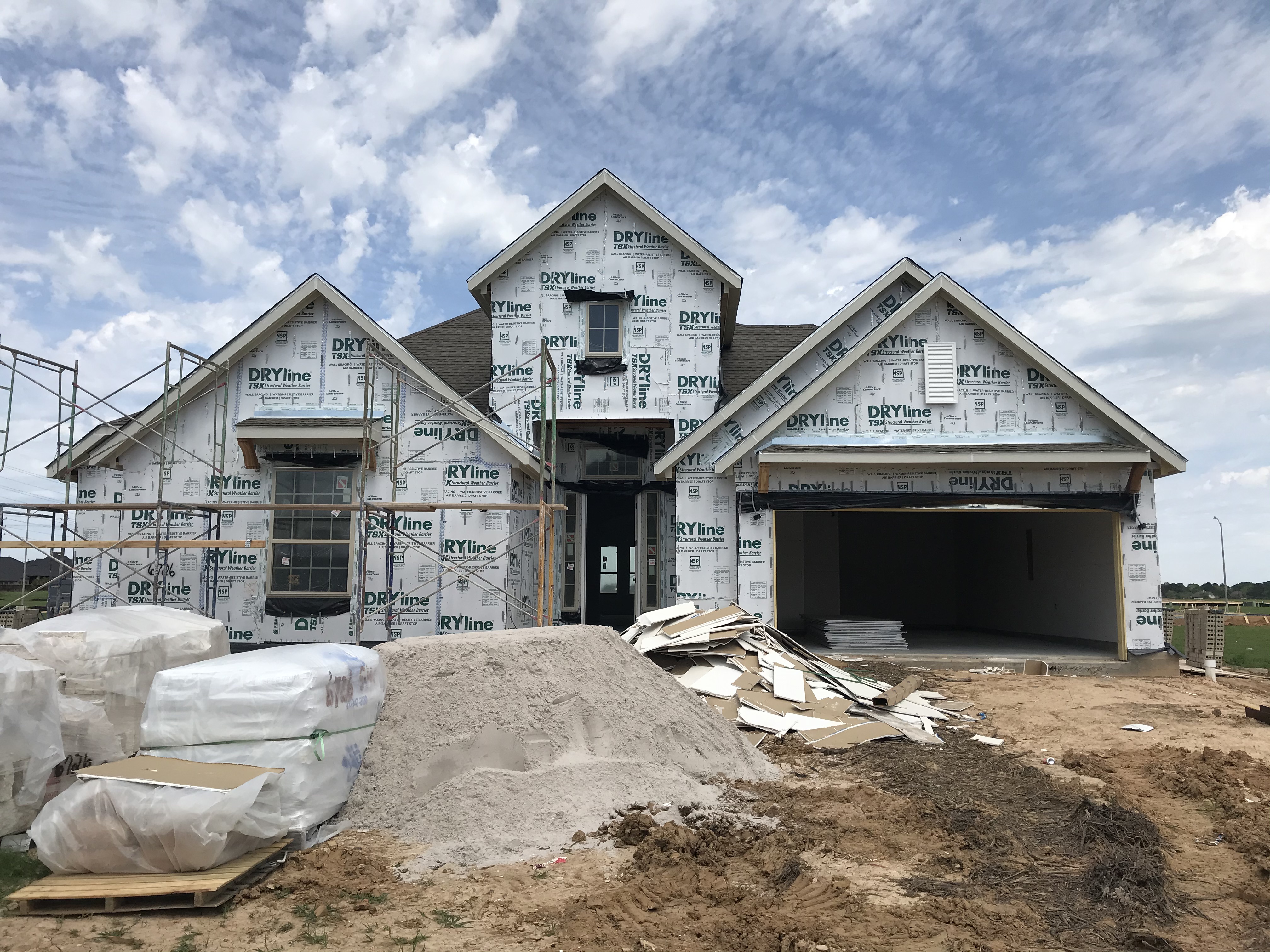
When people begin exploring homes in Katy, TX, the conversation often starts with listing price and mortgage rates. But one factor that can significantly impact the monthly cost of homeownership is property taxes.
Texas does not have a state income tax, which means local governments rely heavily on property taxes to fund services and infrastructure. As a result, buyers comparing homes in Katy, TX often see different tax rates depending on the specific neighborhood and tax districts involved.
Understanding how property taxes work before touring homes can help buyers better estimate their long-term housing costs and avoid surprises later in the process.
Why Property Taxes Matter When Buying in Katy, TX
In many cases, property taxes represent one of the largest components of a homeowner’s monthly payment after the mortgage itself.
A home listed at the same price in two different neighborhoods may have very different monthly costs depending on the applicable tax rate.
This is because properties in Katy, TX may fall within multiple taxing entities, such as:
-
County government
-
School district
-
Municipal or city taxes
-
Municipal Utility Districts (MUD)
-
Emergency service district
Each of these entities contributes to the overall tax rate applied to the property’s assessed value.
How Tax Rates Work in Katy, TX
Property taxes are calculated by multiplying the assessed value of the property by the combined tax rate of all taxing jurisdictions.
For example:
If a home is valued at $400,000 and the combined tax rate is approximately 2.8%, the annual property tax could be around:
$11,200 per year
That would translate to roughly:
$933 per month added to the mortgage payment if taxes are escrowed.
Tax rates vary across Katy, TX because some neighborhoods are located within city limits while others are in unincorporated areas served by special districts.
Municipal Utility Districts (MUDs) and Their Role
Many neighborhoods in Katy, TX are located in Municipal Utility Districts, commonly known as MUDs.
MUDs are local governmental entities that help finance infrastructure such as:
-
Water systems
-
Sewer systems
-
Drainage
-
Roads
These districts issue bonds to fund infrastructure during development, and property owners within the district help repay those bonds through property taxes.
As a result, neighborhoods with active MUD bonds may have higher tax rates compared to communities where the bonds have already been paid down.
However, this does not necessarily mean one neighborhood is better or worse than another. It simply means the financing structure for infrastructure is different.
School District Taxes in Katy, TX
For many properties in Katy, TX, the largest portion of the property tax bill typically comes from the school district tax.
Most homes commonly associated with Katy are zoned to Katy Independent School District (Katy ISD), which serves a large portion of the area. However, some Katy addresses may fall into nearby districts such as Lamar Consolidated Independent School District (Lamar CISD), Cypress-Fairbanks Independent School District (CFISD), or Royal Independent School District (Royal ISD).
School district tax rates fund public education and facilities in the district.
Tax rates may change annually based on voter-approved measures and budget requirements.
Buyers reviewing property taxes should understand that the school district portion of the tax rate is a normal and expected component of homeownership throughout Texas.
Before purchasing a home, buyers should review the full property tax breakdown for the specific address to understand the total tax rate that applies.
How Homestead Exemptions Can Help Reduce Taxes
Once a property becomes a homeowner’s primary residence, they may qualify for a homestead exemption.
Homestead exemptions can reduce the taxable value of the property and may also limit how much the assessed value can increase annually.
For many homeowners, this can help stabilize property tax increases over time.
However, the exemption generally applies only to a primary residence and not to investment properties or second homes.
Why Two Homes at the Same Price May Have Different Payments
This is one of the most common surprises buyers encounter when comparing homes.
Two properties priced at $400,000 could have noticeably different monthly payments due to:
-
Different tax districts
-
MUD bond structures
-
City versus unincorporated tax areas
-
HOA fees in some communities
Because of these variables, reviewing the estimated tax rate before making an offer can provide a clearer picture of the true cost of ownership.
How Buyers Can Estimate Property Taxes
Buyers can estimate property taxes by reviewing:
-
MLS tax rate data
-
County appraisal district records
-
Previous tax bills on the property
However, these estimates may change based on future valuations and exemptions.
For this reason, buyers often review the estimated monthly cost with both their lender and their real estate professional before finalizing a purchase decision.
FAQ Section
What is the typical property tax rate in Katy, TX?
Property tax rates in Katy, TX vary depending on the property's location and the taxing authorities that apply to that address. In many areas, total property tax rates may fall roughly between 2.3 percent and 3.6 percent of the home’s assessed value.
The exact rate can vary based on factors such as:
-
School district taxes
-
Municipal or county taxes
-
Municipal Utility District (MUD) taxes
-
Emergency service districts or other special districts
Because these rates vary by property, reviewing the specific tax rate for an address before purchasing is an important step in evaluating affordability.
Why are property taxes different between neighborhoods in Katy, TX?
Property taxes can vary significantly between neighborhoods in Katy, TX because different properties may fall under different taxing jurisdictions.
Some of the most common factors that influence property tax rates include:
-
The applicable school district
-
Whether the property is located inside city limits
-
Municipal Utility District (MUD) taxes
-
County and special district taxes
Two homes with similar prices in different neighborhoods may have different total tax rates depending on which jurisdictions apply.
Do all homes in Katy, TX have the same school district taxes?
No. While many homes associated with Katy are zoned to Katy Independent School District (Katy ISD), some Katy addresses fall within nearby districts such as Lamar Consolidated Independent School District (Lamar CISD), Cypress-Fairbanks Independent School District (CFISD), or Royal Independent School District (Royal ISD).
Because school district boundaries vary by location, the school tax rate for a home depends on the exact address.
Buyers reviewing homes in Katy, TX should verify the school district and tax rate associated with the property they are considering.
What is a Municipal Utility District (MUD) tax in Katy, TX?
Many newer communities in Katy, TX are located within Municipal Utility Districts, often called MUDs.
These districts help fund infrastructure such as:
-
Water systems
-
Sewer systems
-
Drainage infrastructure
-
Road improvements
MUD taxes are typically included in the total property tax rate for the home. Over time, some MUD debt may be reduced or paid off, which can affect tax rates in the future.
How can buyers estimate the property taxes for a home in Katy, TX?
The most reliable way to estimate property taxes is to review the tax rate and assessed value for the specific property.
Buyers can:
-
Review county appraisal district records
-
Ask their real estate professional for a tax estimate
-
Review the tax rate information on the MLS listing
Because property taxes can influence monthly housing costs, understanding the complete tax breakdown before purchasing can help buyers make informed decisions.
Are property taxes in Katy, TX expected to change over time?
Property tax rates and property values can change based on decisions by taxing authorities and changes in property assessments.
Homeowners in Texas also have access to potential exemptions such as:
-
Homestead exemptions
-
Age-related exemptions
-
Other qualifying exemptions
Reviewing these options with the county appraisal district can help property owners understand potential tax savings.
Are property taxes higher in Katy, TX than other areas of Texas?
Property tax rates in Katy, TX can be higher than some parts of Texas because property taxes help fund local services and infrastructure such as school districts, utilities, and municipal services.
However, the total tax rate depends on the specific location of the property. Some homes may have lower rates depending on:
-
Whether they are inside or outside city limits
-
Whether the property is located within a Municipal Utility District (MUD)
-
The school district associated with the property
Because these factors vary by address, two homes with similar prices may have different tax rates.
Do property taxes affect monthly mortgage payments in Katy, TX?
Yes. Property taxes are typically included in a homeowner’s monthly mortgage payment through an escrow account when financing a home.
Lenders estimate the annual property tax amount and divide it into monthly payments that are collected along with the mortgage payment.
For this reason, two homes with similar purchase prices in Katy, TX may have different estimated monthly payments depending on the applicable tax rate.
Reviewing the tax rate for a specific property before making an offer can help buyers understand the full monthly cost.
How can someone research property taxes before buying in Katy, TX?
Before purchasing a home in Katy, TX, buyers can review tax information using several sources:
-
The local county appraisal district website
-
Property tax estimates in MLS listings
-
Public tax records associated with the property
-
Tax rate breakdowns for the relevant taxing authorities
Because property taxes vary by address, reviewing the specific property tax history and tax rate can provide the most accurate estimate.
Does the listing price determine property taxes?
No. Property taxes are based on the appraised value determined by the county appraisal district and the applicable tax rates.
Can property taxes be appealed?
Property owners have the ability to challenge their appraised value through the appraisal district’s protest process if they believe the value is inaccurate.
Understanding property taxes is an important part of evaluating the true cost of buying a home in Katy, TX.
While tax rates can vary across neighborhoods, reviewing the applicable districts, exemptions, and estimated monthly costs early in the home search can help buyers make more informed decisions.
For individuals considering a move to Katy, TX, having a clear breakdown of property taxes alongside home prices can provide a more complete picture of affordability.
If you are considering purchasing a home in Katy, TX and want help understanding how taxes, HOA fees, and neighborhood differences affect monthly costs, I am happy to walk through the numbers with a trusted lender so you can evaluate homes with confidence.

Jonathan McNabb
Broker/Owner | Nest Ahead
or another way